Why Your Washing Machine Is Leaking and How to Stop It
The most common causes are worn seals and loose hose connections. We'll walk you through checking each one.
Understanding electrical safety basics can prevent injuries and costly damage to your appliances. Learn when it's safe to troubleshoot yourself and when you need a professional.

Washing machines, refrigerators, and dishwashers rely on electricity to function. But that same electricity can be dangerous if you're not careful. We've seen people get hurt trying to fix something they shouldn't have touched — and we've seen electrical fires start from simple mistakes.
The difference between a quick DIY fix and a dangerous situation often comes down to understanding one thing: knowing when you've got this, and knowing when to call someone who does. It's not about being afraid of your appliances. It's about being smart with them.
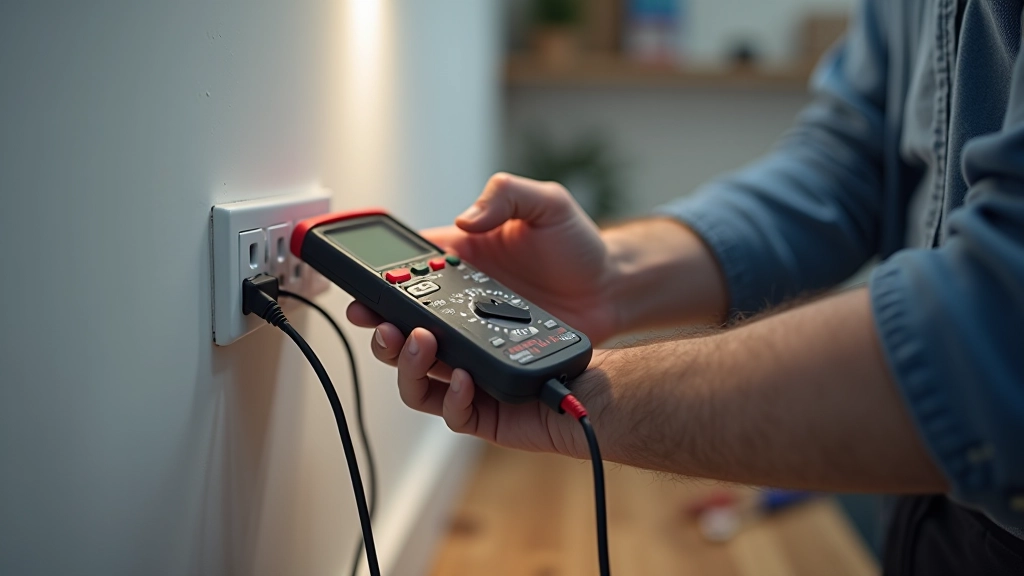
Some repairs don't require any electrical knowledge at all. Clearing a clogged drain, replacing a water inlet valve, cleaning filters — these are straightforward tasks that take maybe 20 minutes and cost almost nothing.
Before you start anything, always unplug the appliance. Not from the outlet on the wall — physically pull the cord out. If you can't reach the outlet, turn off the circuit breaker for that appliance. This takes 10 seconds and prevents 90% of accidents. You're not being paranoid. You're being professional about it.


Opening the control panel? Working on the motor? Touching anything that connects to the power cord? That's where you stop. Not because it's complicated — it's because electricity doesn't care how smart you are. A refrigerator compressor holds a charge even after you unplug it. Touch the wrong thing and you're getting 400+ volts. That's not something you walk away from.
We've handled dozens of cases where someone got hurt or caused more damage trying to save money. A burnt-out control board becomes a fire hazard. A misplaced wire becomes an electrocution risk. Not worth it.
Some problems announce themselves. If you see any of these, don't wait. Call someone today.
If your appliance smells like burnt plastic or rubber, there's an electrical short happening. Unplug it immediately and call a professional.
Visible sparks inside the appliance or at the outlet mean electrical current is jumping where it shouldn't. This is a fire and shock hazard.
Moisture pooling near the motor, control panel, or power cord is dangerous. Water conducts electricity. Don't touch it.
A power cord that's hot to the touch means there's excessive current running through it. Unplug and don't use the appliance.

Your instinct to fix things yourself is good. It saves money and shows you care about your appliances. But there's a line between smart maintenance and taking unnecessary risks. Know where that line is. Unplug things when you work on them. Follow the simple rules. And when something looks wrong, call someone who knows how to handle it safely.
An hour of professional repair work costs less than a house fire or a trip to the hospital. We're here to help when you need us — because your safety matters more than any DIY victory.
This article provides general educational information about appliance safety. It is not a substitute for professional electrical repair services. Electrical work carries inherent risks including shock, burns, and fire hazards. Always consult with a qualified professional before attempting any appliance repairs. The information presented is intended to help you recognize when professional help is needed — not to enable DIY electrical repairs. When in doubt, call a licensed technician.