Dishwasher Not Cleaning Dishes? It's Usually the Filter
Most dishwasher cleaning problems come down to one thing: a clogged filter. We'll show you exactly what's happening and how to fix it.

Why Your Dishes Aren't Coming Clean
You open the dishwasher after a cycle and find dishes that are still spotted, cloudy, or downright dirty. It's frustrating. You're using the right detergent, the machine's running fine, so what's going on?
Here's the thing: in about 80% of cases, it's the filter. Not the spray arm, not the jets, not the water temperature. The filter gets clogged with food particles and grime, and once that happens, water can't circulate properly during the wash cycle. Everything backs up, and your dishes don't get the cleaning they need.
We've fixed hundreds of dishwashers with this exact problem. And almost every time, once we clean or replace the filter, the machine works like new again.
How to Find and Clean Your Filter
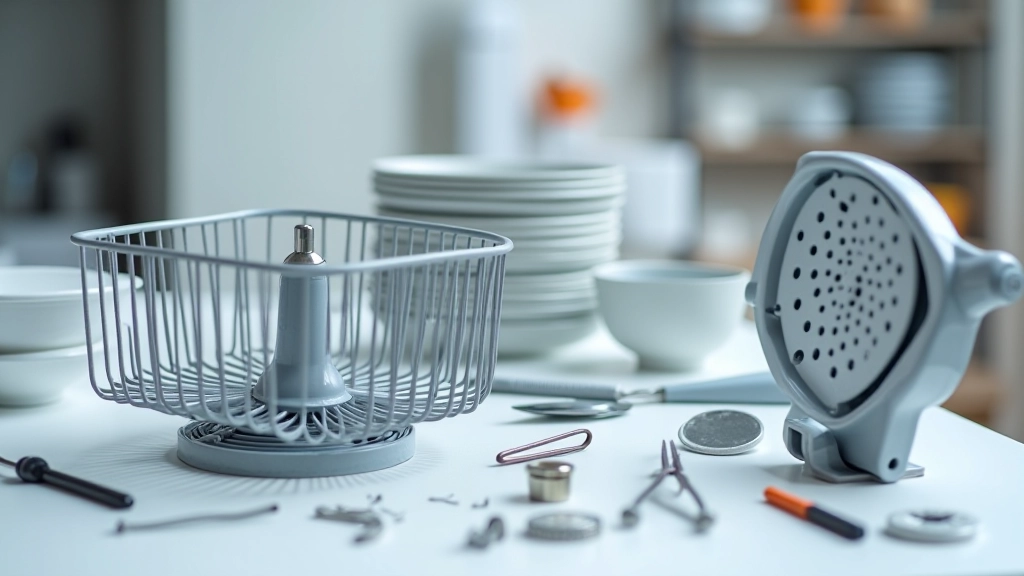
The filter is usually at the bottom of the dishwasher, near the spray arm. There are typically two parts: a coarse filter (catches big stuff) and a fine filter (catches smaller particles). You'll want to check both.
1
Stop the machine and let it cool for 15 minutes. Hot water and moving parts aren't your friend here.
2
Open the door and pull out the bottom rack. You'll see the filter assembly at the very bottom.
3
Twist and lift the filter out. Most filters rotate counterclockwise — don't force it if it won't budge.
4
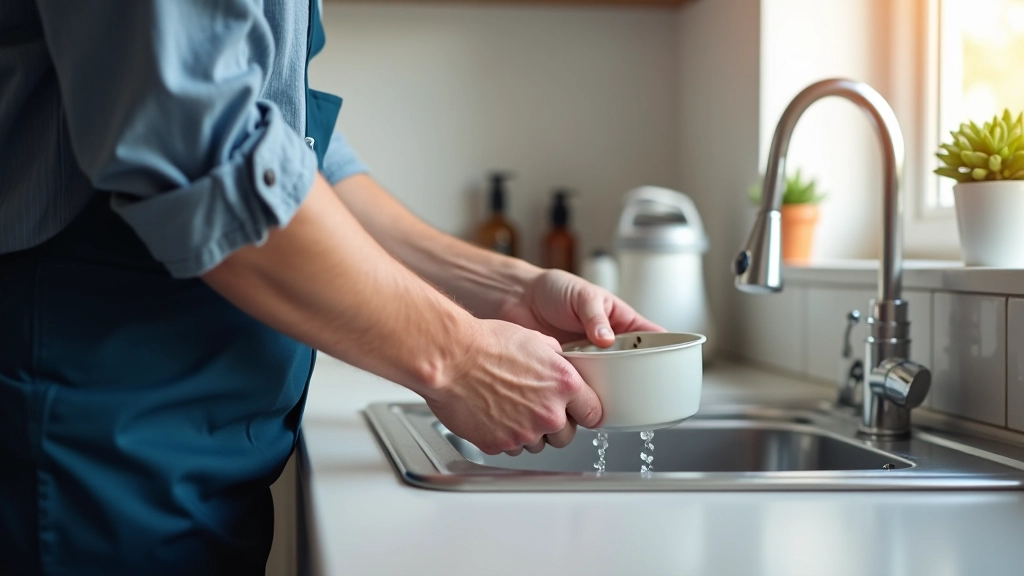
Hold it under running water and rinse away the gunk. A soft brush or old toothbrush works great for stubborn bits.
What You'll Find Down There
Once you pull out that filter, you might be shocked at what's been hiding. We're talking bits of food, grease buildup, soap residue, sometimes even pieces of plastic from packaging that made it through the wash.
This stuff doesn't just disappear. It collects, hardens, and blocks water flow. That's why your dishes come out spotty — the water can't reach them properly because the filter's acting like a dam.
Quick tip: Rinse your dishes before loading them into the dishwasher. We know, it sounds backward, but you're really just rinsing off the big food bits. This keeps your filter cleaner longer and means better cleaning performance overall.

When Cleaning Isn't Enough
Most of the time, a good rinse brings your filter back to life. But sometimes it's damaged. If you see cracks, tears in the mesh, or if the plastic frame is warped, you'll need a replacement.
Replacement filters aren't expensive — usually between €20 and €50 depending on your model — and they're straightforward to swap out. Just reverse what you did to remove it: drop the new filter in and twist clockwise until it's snug.
We'd recommend cleaning your filter once a month. Make it part of your routine. Check it, rinse it, put it back. Takes five minutes, prevents most cleaning problems, and saves you from dealing with dishes that aren't actually clean.
The Bottom Line
If your dishwasher isn't cleaning properly, start with the filter. It's the easiest fix you can do yourself, it takes almost no time, and it works in the vast majority of cases. You don't need special tools or technical knowledge — just your hands and some running water.
Once you've cleaned the filter, run a test cycle with some plates you know are dirty. You'll probably see the difference right away. That's when you'll realize how much a clogged filter was messing with your dishwasher's performance.
Disclaimer: This article is for informational purposes only. While we've tried to make this guide as helpful as possible based on common dishwasher issues, every appliance is different. If you're unsure about taking apart your dishwasher or if cleaning the filter doesn't solve the problem, it's always best to consult your manufacturer's manual or contact a qualified repair technician. Improper maintenance can sometimes void warranties or cause damage.