Fridge Stopped Cooling? Check These Parts First
Three things to test before calling a technician. Most of the time it's something simple you can fix yourself.

Start With the Condenser Coils
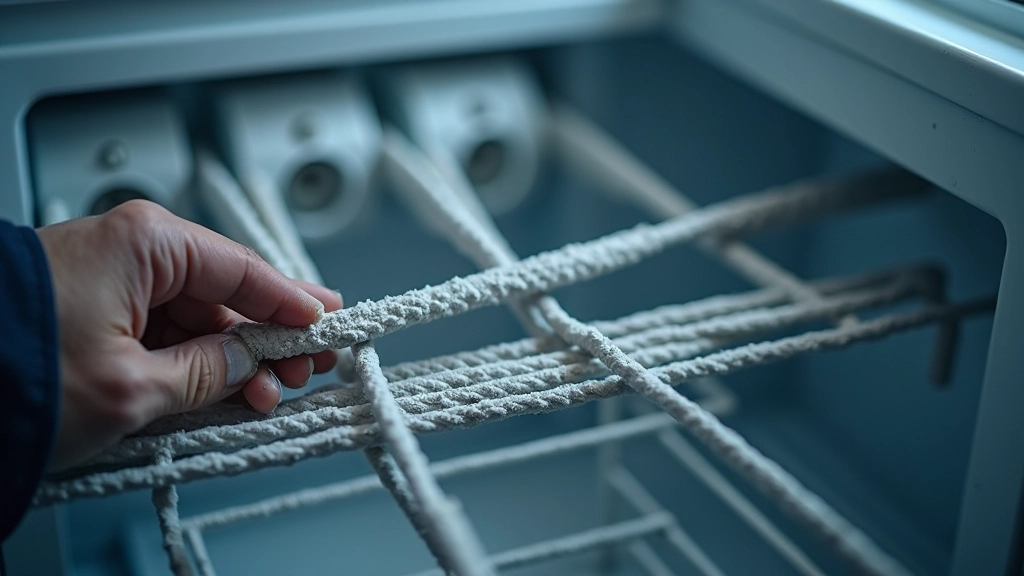
The condenser coils sit at the back or bottom of your fridge. They're responsible for releasing heat so the inside stays cold. When they get clogged with dust and pet hair, your fridge can't cool properly anymore.
Here's what you'll do: Unplug the fridge first. Locate the coils — they're usually behind a removable panel at the bottom front. Use a vacuum with a brush attachment to gently clean away the buildup. Don't use a wet cloth on electrical components. After cleaning, plug it back in and wait about 4 hours to see if the temperature drops.
Most fridges have a thin layer of dust by year two. After five years without cleaning, you'll definitely notice cooling problems. It's the simplest fix and takes about 15 minutes.
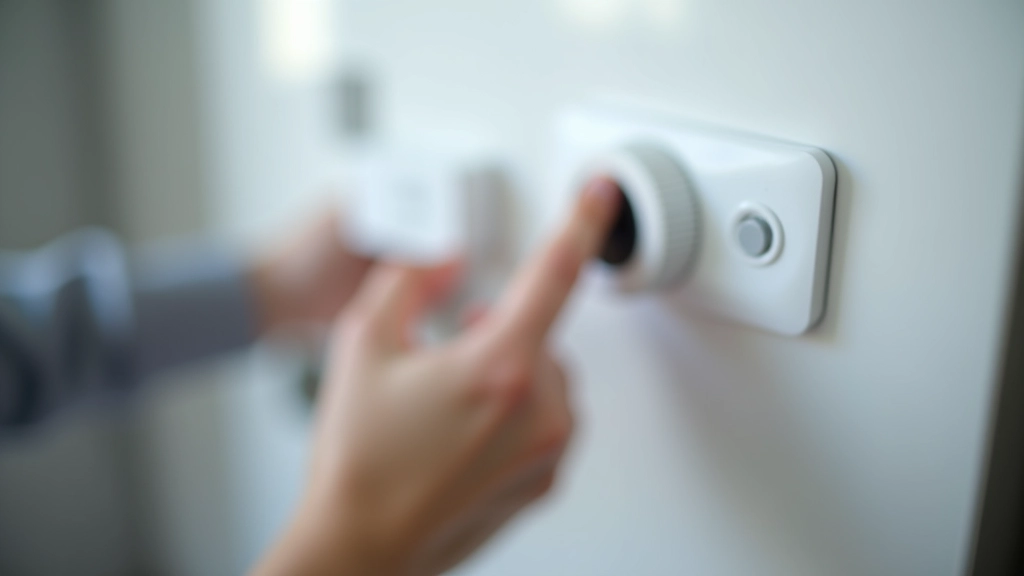
Check Your Thermostat Settings
This one sounds obvious, but you'd be surprised. The thermostat dial controls how cold your fridge gets. If someone's accidentally bumped it to a higher number (which means warmer), that's your problem.
Most fridges have a 1-9 dial, where 9 is coldest. For normal use, you'll want to set it between 3 and 5. Lower numbers mean warmer temperatures. If it's been sitting at 1 or 2, your fridge isn't trying to cool much at all.
Adjust it to 4, then wait 24 hours. Your milk should feel properly cold, and you shouldn't see ice buildup on the back wall. If nothing changes after a full day, move on to the next check.
Quick Temperature Check
Don't trust your fridge's built-in temperature display if it has one. Grab a glass of water, put a regular thermometer in it, and leave it in the fridge for 30 minutes. Your fridge should read between 35°F and 38°F (1°C to 3°C). Anything warmer means it's not cooling enough.
Test the Door Seal Carefully
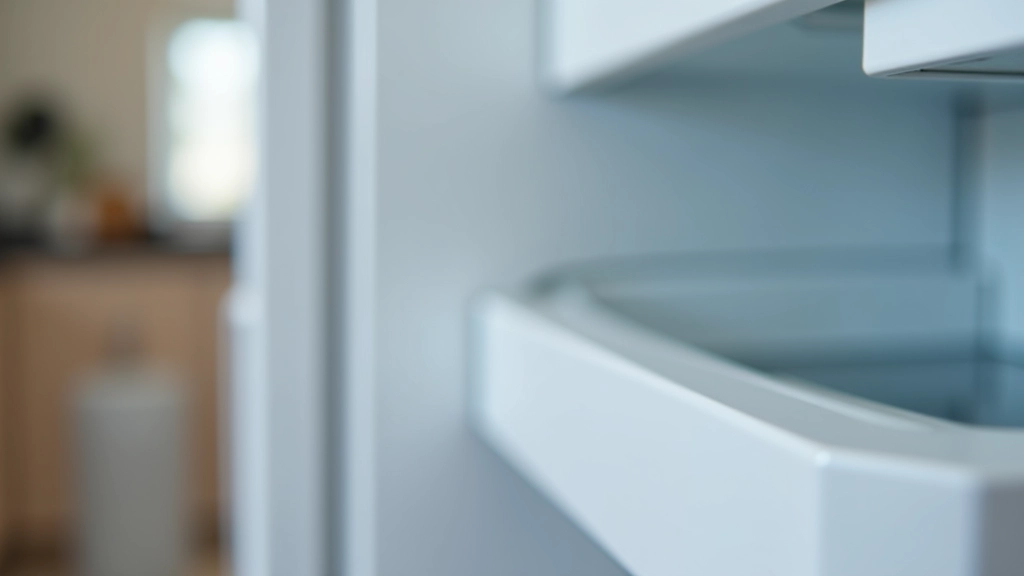
The rubber gasket around your fridge door keeps cold air inside. If it's cracked, warped, or just worn out, cold air escapes constantly. Your compressor runs non-stop trying to maintain temperature and eventually gives up.
Open the door and feel the rubber seal all the way around. It should feel firm and flexible. If you see visible cracks, notice it's hard and brittle, or find spots where it doesn't sit flush against the frame, that's your issue. The simple test: close a dollar bill in the door. If you can pull it out without resistance, the seal's gone.
Replacement gaskets run €30 to €80 depending on your model. You'll order it by the model number (usually on a sticker inside the fridge), and installation takes 10 minutes. This fix often solves cooling problems when the coils are clean and thermostat is set right.
When It's Time to Call Someone
If you've cleaned the coils, adjusted the thermostat, and checked the door seal — and your fridge still isn't cooling — there's likely something deeper wrong. The compressor itself might be failing, or the evaporator fan could be broken. These aren't DIY fixes.
Listen to your fridge running. You should hear a quiet hum and occasional clicking sounds. If it's silent, the compressor isn't running. If you hear loud rattling or grinding, something's broken inside. That's when you call a technician.
A repair usually costs €150 to €400 depending on what needs fixing. If your fridge is over 12 years old and needs a major repair, replacement might make more financial sense. But these three checks? They're free and they solve the problem about 60% of the time.
The Takeaway
Before you spend money on repairs or replacement, spend 30 minutes checking these three things. Clean those coils, verify your thermostat isn't set to warm, and test your door seal. Most of the time, one of these is your culprit. If none of them solve it, then you've got good information to tell the technician about what you've already tried.
And honestly? Keeping the coils clean and the seal in good condition will add years to your fridge's life. It's preventive maintenance that actually works.
Safety Notice
This article is for educational purposes and provides general information about refrigerator troubleshooting. Always unplug your appliance before performing any maintenance. If you're uncomfortable working with electrical appliances or if problems persist after these checks, consult a qualified appliance repair technician. Improper repairs can create safety hazards or void your warranty.