Why Your Washing Machine Is Leaking and How to Stop It
The most common causes are worn seals and loose hose connections. We'll walk you through checking each one.

Where's the Water Coming From?
Water pooling under your washing machine isn't something to ignore. The good news? Most leaks are fixable without calling someone out. We've been fixing these machines for years, and it's almost always one of three things — worn door seals, loose inlet hose connections, or a cracked pump housing.
The first step is figuring out where exactly the leak originates. Is the water pooling during the wash cycle or the rinse? Does it leak when the drum's spinning or when it's stationary? These details matter because they point you toward the actual problem. A leak during spin usually means the drum seal's gone bad. A leak that happens while water's filling up points to the inlet hoses or the fill valve.
Check the Inlet Hoses First
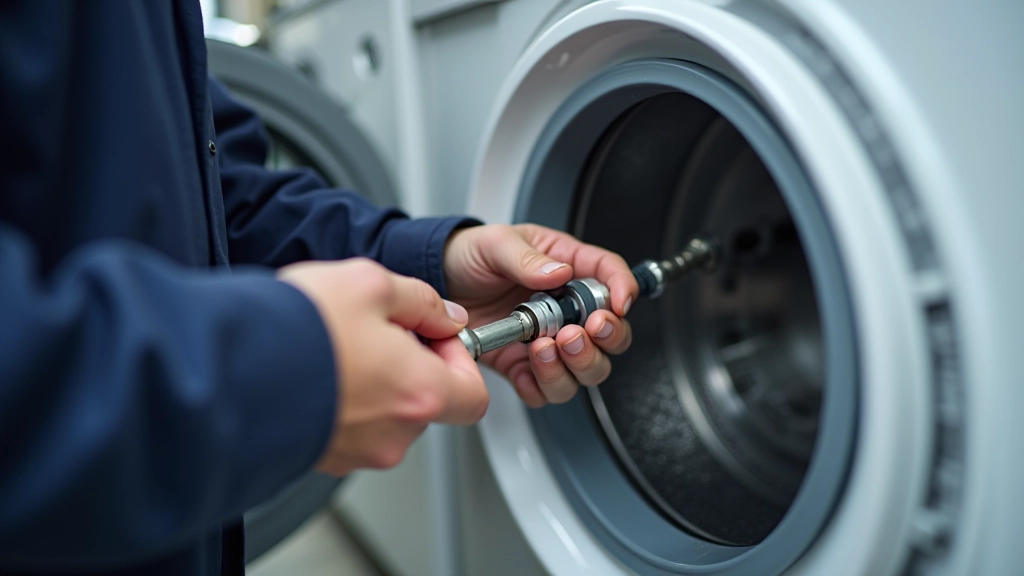
This is the easiest thing to inspect. You don't need any special tools — just a quick look at the back of your machine. The inlet hoses are the two hoses that connect to your water supply. Hot water comes through one, cold through the other. They're usually plastic with rubber ends.
Look for cracks or splits in the hose itself. If it's been in use for more than 5-7 years, the rubber deteriorates. Even tiny splits cause slow leaks that pool under the machine. Check where the hose connects to the tap and where it connects to the machine. Tighten the connection fittings with an adjustable wrench if they're loose. Most of the time, a hand-tight connection that's backed off a bit will leak. Give it a quarter turn clockwise — don't over-tighten though, you'll crack the fitting.
If you spot cracks in the hose itself, you've found your problem. New inlet hose kits cost around 20-30 euros and take about 10 minutes to swap out. Shut off the water supply first, unscrew the old hoses, and screw on the new ones. Hand-tight plus a quarter turn with the wrench is all you need.
Quick tip: If the leak only happens during the first fill, it's almost certainly the inlet hoses or connections. If it happens during the spin cycle or after the cycle ends, look at the drain system and drum seals instead.
The Door Seal Is Probably the Culprit
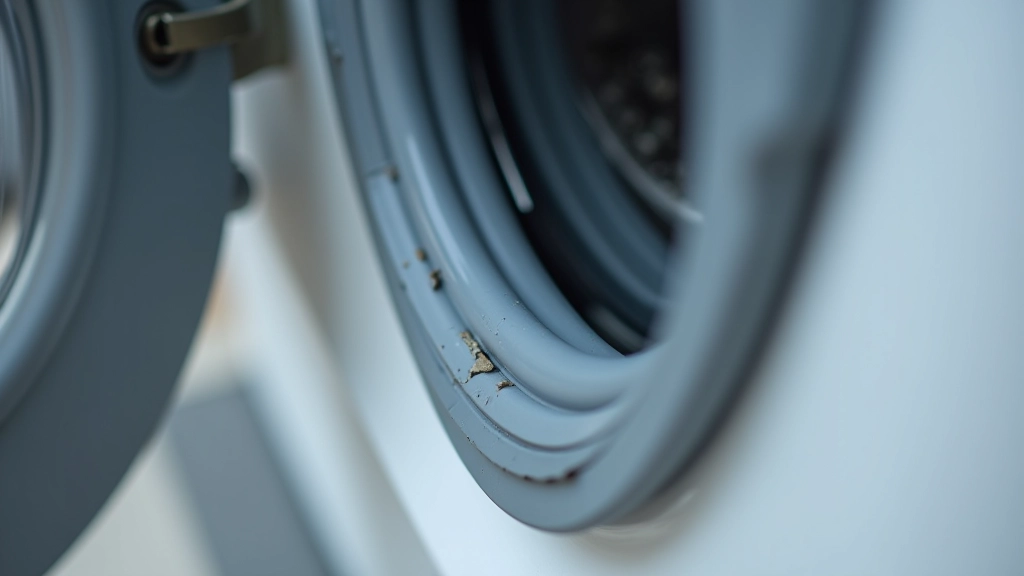
Front-loading machines have a rubber gasket around the door. It's designed to keep water inside while the drum spins. After 5-10 years, this seal degrades. Hair, soap residue, and lint get trapped in the seal, creating weak spots. Once water starts leaking through, it pools at the bottom of the machine.
Look at the rubber seal around the door opening. Run your fingers along it. You're looking for cracks, hard spots, or areas where the rubber's pulling away from the door frame. If you see visible damage, that's your leak source. You can also run a cycle with the door open slightly (carefully) and watch if water comes out around the seal.
Replacing the door seal takes about 30 minutes and costs 40-80 euros for the part. You'll need a Torx wrench to remove the bolts holding the seal ring, then pull out the old seal and push in the new one. It's honestly easier than you'd think — just take a photo before you start so you remember how it goes back together.
The Drain Hose and Pump
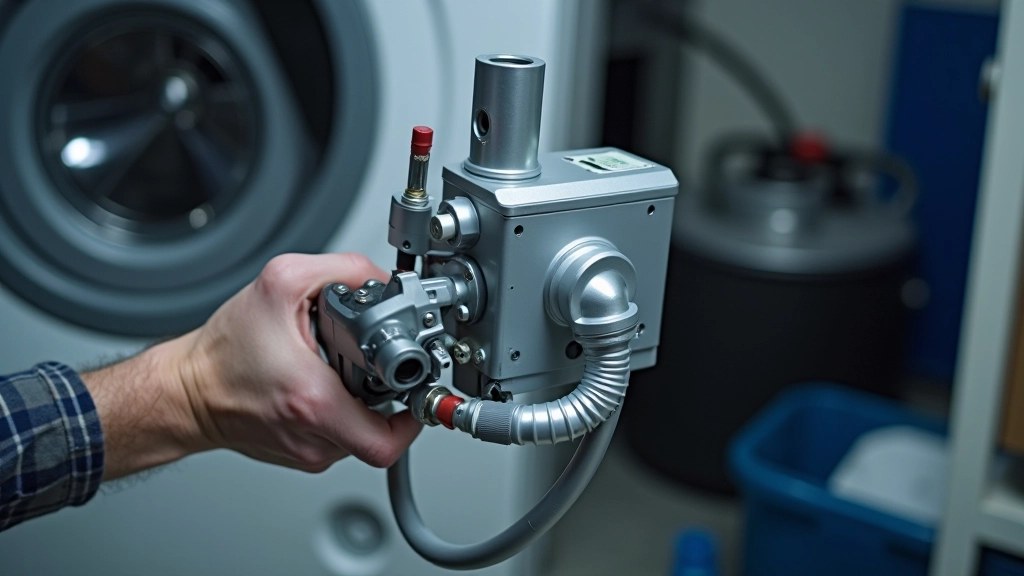
If water's leaking during the drain cycle or pooling near the pump area (usually the bottom front of the machine), the issue's with the drain system. The drain hose can crack or the connection can loosen. The pump itself sometimes develops small leaks where the motor connects.
Check where the drain hose connects to the pump and where it exits the machine. Tighten any loose hose clamps. Look along the entire length of the drain hose for cracks — you might need to pull the machine out a bit to see it properly. If the hose is damaged, replacing it's straightforward and costs 15-25 euros.
If the pump itself is leaking (you'll see water dripping from the motor area), the pump needs replacing. This is more involved and usually costs 80-150 euros for parts plus labor if you're not comfortable doing it yourself. That's when you call someone like us.
Your Quick Diagnosis Steps
- 1 Run a normal wash cycle. Note when the leak appears — during fill, wash, spin, or drain.
- 2 Check the inlet hoses at the back for cracks or loose connections. Tighten if needed.
- 3 Inspect the door seal for visible cracks or damage (front-loaders only).
- 4 Check the drain hose connection and look for cracks along its length.
- 5 If you've found the problem, grab the part and swap it out or call a technician.
When to Call Someone
If you've checked everything above and can't find the leak, or if the problem's in the pump or motor area, that's when you reach out to a professional. Sometimes water's leaking from inside the drum itself (the drum seal) or from the fill valve. These repairs need the machine partially disassembled, and it's easy to damage something if you're not experienced with the model.
We're based in Groningen and handle these calls regularly. Most leaks we see are one of the three main issues mentioned above, but occasionally there's something less obvious. The important thing is stopping the leak before water damage spreads under your machine and into your flooring.
Don't Let It Get Worse
A small leak today becomes water damage tomorrow. The good news is that most washing machine leaks are straightforward to diagnose and fix. You don't need special tools or extensive knowledge — just a bit of patience and attention to where the water's coming from. Start with the inlet hoses and door seal. Nine times out of ten, that's where the problem is.
If you're not comfortable taking the machine apart, or if you've checked everything and still can't find the source, reach out to us. We're here in Groningen and happy to help get your washing machine back to normal.
Important Notice
This article is for informational purposes only. Always shut off water supply before attempting any repairs. If you're not confident with appliance repair, contact a qualified technician. Water damage can spread quickly, so address leaks promptly. Different washing machine models may have different components — consult your machine's manual before disassembling any parts.